Ginger Ale Calories: 7 Things You Need to Know
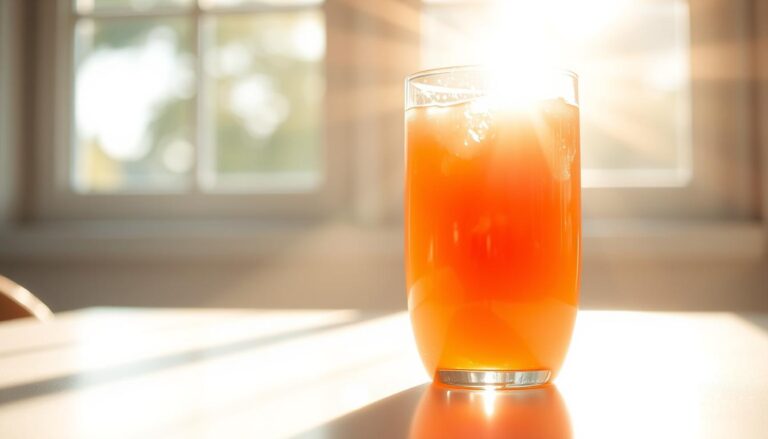
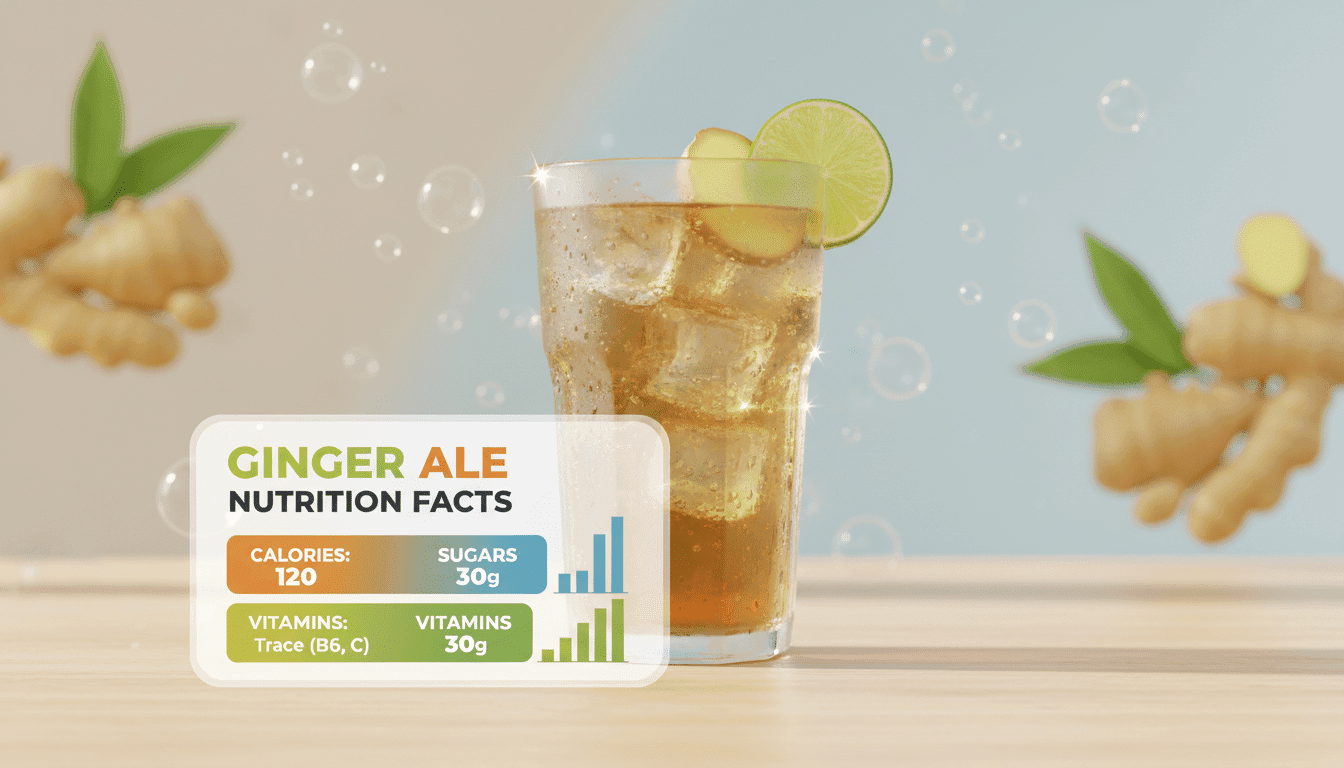
Ever wondered about the real story behind ginger ale calories? You might be surprised to learn that this drink packs more nutritional punch than you expect. A standard 12-ounce can of ginger ale has between 120-140 calories. It also has about 30-35 grams of sugar, which is almost 10 teaspoons of sweetness.
Many people think ginger ale is a healthier soda option. But the ginger ale nutrition facts tell a different story. The calorie content in ginger ale can quickly add up, if you enjoy multiple servings a day. Knowing these numbers is key for making good beverage choices that fit your health and wellness goals.
Key Takeaways
- One 12-ounce can contains 120-140 calories
- Ginger ale is mainly a sugar-sweetened drink
- All calories come from carbs
- It has no fat or protein
- Nutritional content varies by brand
What Is Ginger Ale Really Made Of
When you open a can of ginger ale, you might think it’s full of real ginger. But, the truth is different. Most ginger ales have very little real ginger, with some brands using just a tiny bit for flavor.
Let’s look at what’s in most ginger ales you find in stores. They usually have:
- Carbonated water as the main ingredient
- Sweeteners like high-fructose corn syrup or sugar
- Just a tiny bit of ginger extract (often less than 0.1%)
- Artificial and natural flavors
- Preservatives to keep it fresh longer
The Truth About Ginger Content in Commercial Sodas
Don’t believe the claims about ginger in soda. The real ginger in most ginger ales is so small, you won’t get any health benefits. Brands add just enough ginger flavor to taste good, not for any health reasons.
Understanding Carbonated Water and Sweeteners
The biggest part of your ginger ale is carbonated water and sweeteners. Diet versions use artificial sweeteners like aspartame or sucralose instead of sugar. Citric acid gives it a tangy taste, and “natural flavors” are usually made in labs to taste like ginger.
If you want real ginger benefits, this commercial ginger ale isn’t it. It’s more like a sweet, fizzy drink than a health drink.
The Sugar Story Behind Regular Ginger Ale

When you grab a can of ginger ale, you might not realize the sugar bomb you’re about to consume. A standard 12-ounce can of regular ginger ale packs an astonishing amount of added sugars – roughly 10 teaspoons, which translates to 30-35 grams of sugar per can.
Let’s break down the ginger ale sugar content that might shock you:
- One can represents 60-70% of your daily recommended sugar intake
- High fructose corn syrup is often the primary sweetener in soda
- Excessive sugar consumption links to multiple health risks
The World Health Organization recommends limiting free sugars to less than 10% of daily energy intake. With ginger ale’s substantial sugar per can, you’re quickly approaching that threshold with just one drink.
Health experts warn that regularly consuming beverages with high fructose corn syrup in soda can contribute to serious conditions such as:
- Weight gain
- Type 2 diabetes
- Heart disease
- Dental cavities
- Fatty liver disease
While ginger ale might seem refreshing, the added sugars make it a beverage to enjoy sparingly. Your body will thank you for being mindful of these hidden sugar traps.
Ginger Ale Nutrition Facts That Often Surprise People
When you grab a can of ginger ale, you might think it’s a light choice. But the nutrition label tells a different story. It reveals a lot of hidden sugar in this drink.
Calorie Breakdown Per Serving Size
A standard 12-ounce can of ginger ale has about 140 calories. Here’s a quick look at what’s in it:
- Calories: 140 per 355g serving
- Carbohydrates in ginger ale: 36g
- Protein: 0g
- Fat: 0g
Hidden Sugars and Carbohydrate Content
The nutritional info might surprise you. Almost all carbs come from sugar. In a single cup (236.7g), you’ll find:
- Total calories: 93.3
- Total sugars: 23.3g
- Sodium: 33.3mg
- Dietary fiber: 0g
What’s most shocking? 100% of these calories are from carbs. Despite its name, commercial ginger ale has no nutritional value. It’s really just a sugar-filled drink.
Diet Ginger Ale Versus Regular: What You’re Actually Trading

Choosing diet ginger ale might seem like a healthy choice. But, there’s more to the story of diet versus regular ginger ale.
Diet ginger ale has its own trade-offs. It cuts out sugar and calories but uses artificial sweeteners for taste. Brands like Canada Dry Diet offer a zero-calorie option that seems like a better choice than regular soda.
- Zero calories in diet ginger ale
- Uses non-sugar sweeteners like aspartame
- Maintains sweet flavor without sugar
The World Health Organization (WHO) has raised concerns about non-sugar sweeteners. Their research shows artificial sweeteners might not help with weight management as thought. Some studies link these sweeteners to health risks:
- Increased risk of type 2 diabetes
- Potential cardiovascular complications
- Possible metabolic changes
Interesting twist: Diet ginger ale might actually keep your sweet tooth activated. The intense sweetness can make it harder to enjoy less sweet foods and keep sugar cravings.
When comparing diet vs regular ginger ale, think about more than just calories. Your body’s reaction to artificial sweeteners can be complex. Some people feel bloated or crave more after drinking zero-calorie drinks.
The bottom line? Diet ginger ale isn’t a magic solution. It’s a different way to enjoy your favorite fizzy drink – with its own pros and cons.
Does Ginger Ale Really Help With Nausea
Many people grab a can of ginger ale when they feel sick to their stomach. They think it will make them feel better right away. But is ginger ale really a cure for nausea, or is it just a comforting idea?
The truth about ginger ale for nausea is more complicated than many think. While many believe it can soothe an upset stomach, science doesn’t agree.
What Science Says About Ginger Root Benefits
Genuine ginger root is known for its ability to fight nausea. Studies show it works well for different types of nausea, including:
- Pregnancy-related morning sickness
- Motion sickness symptoms
- Chemotherapy-induced nausea
But most commercial ginger ales have very little actual ginger. The small amounts of ginger in these drinks are unlikely to help your stomach much. For real relief, you need more concentrated ginger sources.
Why Your Stomach Might Feel Better Anyway
Even without much ginger, ginger ale can still offer some comfort:
- Carbonation helps release trapped gas
- Sugar gives quick energy
- It’s a familiar remedy that offers psychological comfort
If you want real relief from stomach aches, try fresh ginger tea or ginger supplements. These have more gingerol, which is better for your stomach than regular soda.
Common Ginger Ale Myths You Need to Stop Believing

Ginger ale myths have been around for years, confusing many about this popular drink. Knowing the truth about these myths can help you choose better drinks.
- Myth 1: Ginger Ale Cures Nausea
Most commercial ginger ales have very little real ginger. This means they can’t really help with stomach problems. - Myth 2: Ginger Ale Is a Healthy Drink
Just because it says “ginger” on the label doesn’t mean it’s good for you. Most ginger ales are high in sugar and don’t offer much nutritional value. - Myth 3: Flat Ginger Ale Settles Your Stomach
The idea that flat ginger ale helps your stomach is a myth. Taking the fizz out doesn’t turn it into a health drink.
Your grandparents might have believed these myths, but science says something different. Most ginger ales are just sugar and artificial flavor, with no real health benefits.
| Myth | Reality |
|---|---|
| Ginger Ale Heals Stomach Issues | Minimal ginger content provides no real therapeutic effect |
| All Ginger Drinks Are Equal | Significant differences exist between ginger ale, ginger beer, and ginger tea |
| Flat Ginger Ale Is Medicinal | Removing bubbles doesn’t add healing properties |
If you want real ginger benefits, try fresh ginger tea or supplements. They offer real nutritional value. Don’t let these myths trick you into bad drink choices.
How Different Brands Compare in Calories and Sugar
Not all ginger ales are the same. When you’re looking for a drink, knowing the calorie and sugar content is key. Let’s look at how different ginger ales stack up and what’s in your favorite fizzy drink.
- Canada Dry Ginger Ale: This classic has 124 calories and 33g of sugar in a 12 oz serving. It uses high fructose corn syrup and a bit of ginger extract.
- Reed’s Ginger Ale: A craft choice with 110 calories and 27g of sugar. It’s made with real ginger root and cane sugar, offering a true taste.
- OLIPOP Ginger Ale: A standout with just 35 calories and 7g of sugar. It includes prebiotic fiber and real ginger root.
Decoding Label Ingredients
When searching for the best ginger ale, become a label detective. Here are important things to look for:
- Check if “ginger root” is in the top three ingredients
- Look for cane sugar instead of high-fructose corn syrup
- Be wary of vague “natural flavors”
Not all ginger ales are created equal. Some are just sugar water with fake flavor. By knowing the calorie and sugar in Canada Dry and comparing it to OLIPOP and Reed’s, you can choose better.
Who Should Limit or Skip Ginger Ale Completely

Ginger ale might seem harmless, but it’s not safe for everyone. Knowing the health risks can help keep you well and avoid problems.
If you have diabetes or prediabetes, ginger ale is not a good choice. It has a lot of sugar, which can quickly raise your blood sugar. This is dangerous for those who need to watch their blood sugar closely.
- People with diabetes should avoid regular ginger ale
- Individuals taking blood-thinning medications need caution
- Those with digestive sensitivities might experience adverse reactions
Some groups should limit or skip ginger ale:
- Patients with cardiovascular concerns
- Individuals managing weight
- People experiencing frequent acid reflux
- Children and teenagers
Ginger ale is not just a sugar issue. It can also make bloating and gas worse. This can be a problem for people with sensitive stomachs.
| Health Condition | Ginger Ale Risk Level |
|---|---|
| Diabetes | High Risk |
| Blood Clotting Disorders | Moderate Risk |
| Digestive Sensitivities | Moderate to High Risk |
Always talk to your doctor about ginger ale if you’re unsure. Your health history is key to choosing safe drinks.
Ginger Ale
Understanding when to drink ginger ale is important. It’s tasty but not a daily health drink. How often you have ginger ale is key.
Knowing when to enjoy ginger ale is crucial. It helps you use it wisely in your life.
Appropriate Moments for Ginger Ale
- During brief stomach discomfort
- When experiencing mild motion sickness
- As an occasional sweet treat
- When recovering from mild dehydration
Drinking ginger ale in moderation is essential. Opt for smaller amounts and limit it to once or twice a week. The fizz might help, but it’s not a full hydration or medical fix.
Recommended Ginger Ale Alternatives
- Water – best for daily hydration
- Herbal ginger tea
- Sparkling water with fresh ginger
- Low-sugar electrolyte drinks
Your health should lead your drink choices. Ginger ale can be nice sometimes, but choose drinks that really nourish you.
Healthier Drink Swaps That Actually Deliver Ginger Benefits
Looking for natural ginger drinks that are good for you? You’re in the right spot. Ditch sugary ginger ale for these tasty and healthy ginger drinks. They’ll keep you hydrated and support your health.
Great healthy ginger drinks use simple ingredients you might already have. Here are some top ginger drink options that offer real health benefits:
- Homemade Ginger Water Recipe: Slice fresh ginger root and steep in hot water for 10-15 minutes. Strain and add a squeeze of lemon for extra flavor.
- Sparkling water infused with fresh ginger slices and mint
- Unsweetened ginger tea (hot or iced)
- Green tea with fresh ginger
Ginger tea does more than taste good. It has compounds that reduce inflammation, ease digestion, and boost your immune system. For a stronger dose, consider ginger supplements with 500-1000mg daily.
Need to fight nausea or stay hydrated? Try ginger-infused oral rehydration solutions. You can also add grated ginger to your cooking. Try it in stir-fries, soups, or smoothies for a health boost.
Remember, choose natural ginger drinks that are nutritious without too much sugar. Your body will appreciate your smart drink choices!
Making Your Own Low-Calorie Ginger Beverage at Home
Making a fresh ginger drink at home is simple. With a homemade ginger ale recipe, you can make a tasty, low-calorie drink. It’s full of natural flavor and health perks.
When you make ginger ale yourself, you choose what’s in it. Unlike store-bought, your version won’t have artificial stuff. It will be full of fresh ginger’s goodness.
Simple Ingredients for Your Homemade Ginger Ale
- 1/4 cup fresh ginger root, grated
- 4 cups water
- 2-3 tablespoons honey or maple syrup
- Sparkling water (optional)
Step-by-Step Preparation
- Grate the fresh ginger root (no need to peel if organic)
- Simmer ginger in water for 10 minutes
- Strain the ginger pieces
- Add honey or maple syrup to taste
- Cool completely
- Carbonate with a home soda maker or mix with sparkling water
Your homemade ginger drink will have much less sugar than store-bought ones. It can cut sugar by up to 60%. Keep it in glass bottles in the fridge for up to 5 days.
Pro tip: Try adding fresh lemon juice or changing the ginger level to your liking. This way, you get a natural, low-calorie drink with real health benefits.
What to Know About Ginger Ale and Blood Sugar Management
It’s important to know how ginger ale affects blood sugar levels. A 12-ounce can of ginger ale has 30-35 grams of sugar. This can lead to a quick rise in blood sugar.
The glycemic index of ginger ale is high. This means it can quickly raise blood glucose levels. For people with diabetes or prediabetes, this is a big concern. Drinking one can of ginger ale can use up to 70% of the daily sugar limit set by the World Health Organization.
- Regular ginger ale triggers quick sugar spike
- Artificial sweeteners in diet versions may impact insulin sensitivity
- Fresh ginger alternatives provide health benefits without sugar
Diet ginger ale is different for managing blood sugar. It has no sugar, but artificial sweeteners can still affect how your body reacts. Research shows these sweeteners might cause insulin reactions.
If you’re worried about sugar spikes from soda, here are some tips for ginger ale:
- Dilute regular ginger ale with sparkling water
- Choose small portion sizes
- Opt for fresh ginger tea as a healthier alternative
For diabetics, it’s crucial to be careful and monitor blood sugar when drinking ginger ale. Always talk to your doctor before adding sweetened drinks to your diet.
Smart Tips for Occasional Ginger Ale Consumption
Enjoying ginger ale doesn’t mean you have to ignore your health goals. By managing the portion size, you can enjoy it without harming your health.
Learning how to drink ginger ale wisely is key. Here are some smart ways to do it:
- Limit ginger ale serving size to 8-ounce portions
- Drink ginger ale no more than 1-2 times per week
- Pair with protein-rich snacks to slow sugar absorption
- Sip slowly instead of gulping quickly
Mindful Consumption Techniques
Being mindful of your ginger ale intake is important. Choose smaller cans or bottles to cut down on sugar. If you’re drinking for nausea, take small, gentle sips to help settle your stomach.
Switching from frequent ginger ale drinking can be easy. Try these alternatives:
- Replace some ginger ale servings with sparkling water
- Add fresh fruit slices for natural flavor
- Experiment with unsweetened ginger tea
Pro tip: Always read nutrition labels and be aware of your total sugar intake when enjoying ginger ale as an occasional treat.
Conclusion
As you’ve learned, not all fizzy drinks are the same. Your final thoughts on ginger ale should be that it’s tasty but not a health wonder. It has more sugar and calories than health benefits.
Key takeaways on ginger ale include knowing most commercial brands have little real ginger. For better digestive health or nausea relief, try fresh ginger tea or supplements. Mainstream ginger ales are better as treats, not health fixes.
Remember, moderation is key when it comes to ginger ale. Enjoy it rarely, choosing water and unsweetened drinks more often. If you want ginger’s health benefits, go for whole foods or supplements with real gingerol. Your body will thank you for making smart choices that support your health.
FAQ
How much sugar is in a typical can of ginger ale?
A standard 12-ounce can of ginger ale has about 30-35 grams of sugar. That’s like 10 teaspoons of sugar. It’s 60-70% of the daily sugar limit set by the World Health Organization.
Does ginger ale actually contain real ginger?
Most ginger ales have very little real ginger, about 0.1% or less. Brands like Canada Dry use “ginger extract,” but it’s not enough to help you.
Is diet ginger ale a healthier alternative?
Diet ginger ale isn’t really healthier. It has no calories but uses artificial sweeteners. The World Health Organization warns against these for weight management. They might also increase the risk of diabetes and heart problems.
Can ginger ale actually help settle an upset stomach?
The relief from ginger ale is mostly from carbonation and the placebo effect. It doesn’t have enough real ginger to help with nausea. For real relief, try fresh ginger tea or supplements.
How many calories are in a can of ginger ale?
A standard 12-ounce can of ginger ale has about 120-140 calories. All of these calories come from sugar. These calories are empty because they don’t offer any nutrients.
Is ginger ale good for people with diabetes?
Ginger ale is not good for people with diabetes. It causes blood sugar to rise quickly because of its sugar. Even diet versions can affect insulin sensitivity with their artificial sweeteners.
What are some healthier alternatives to ginger ale?
Better choices include homemade ginger tea, sparkling water with fresh ginger, herbal teas, and oral rehydration solutions. These options hydrate and offer ginger benefits without the sugar in commercial ginger ales.
How much actual ginger is in commercial ginger ale?
Commercial ginger ales have very little ginger, about 0.1% or less. Brands like Reed’s have up to 4 times more ginger than brands like Canada Dry.
Are there any health risks associated with drinking ginger ale?
Drinking ginger ale regularly can lead to weight gain, diabetes, tooth decay, and heart problems. Its high sugar content makes it more of a treat than a healthy drink.
Can I make a healthier version of ginger ale at home?
Yes! You can make a healthier version by simmering fresh ginger in water, adding a bit of honey or maple syrup, and carbonating it. This way, you control the sugar and get more ginger benefits.